
Psoriasis
In vitro testing Microbiology powered
Psoriasis is an immune-mediated inflammatory disease with a genetic predisposition. It is a chronic autoimmune inflammatory disorder associated with a breakdown of the skin barrier and immune system dysregulation. The disease affects approximately 125 million individuals worldwide, with prevalence rates varying from 0.1% to 8%. The onset of psoriasis has 2 peaks: at age 15 to 20 years (more common in females), and over the age of 40 (equal sex distribution). Initial management of mild to moderate psoriasis involves the use of topical treatments, such as emollients or corticosteroids. Management options for moderate to severe psoriasis include phototherapy, oral medicines and injectable biologic medicines.
- The skin microbiota is now scientifically evidenced to play a significant role in the pathogenesis of psoriasis, primarily through a state of imbalance (dysbiosis).
- Altered Diversity: Studies show differences in both the diversity and relative abundance of microbial taxa compared to healthy skin.
- Increased Abundance: An increase in genera such as Staphylococcus, Streptococcus, and Corynebacterium is often reported in psoriatic lesions.
- Decreased Abundance: Conversely, a reduction in the abundance of genera like Cutibacterium is also observed.
Vibiosphen can provide support for the microbiota characterization of clinical samples
Conventional microbiology or molecular approaches. Targeted or global approaches.
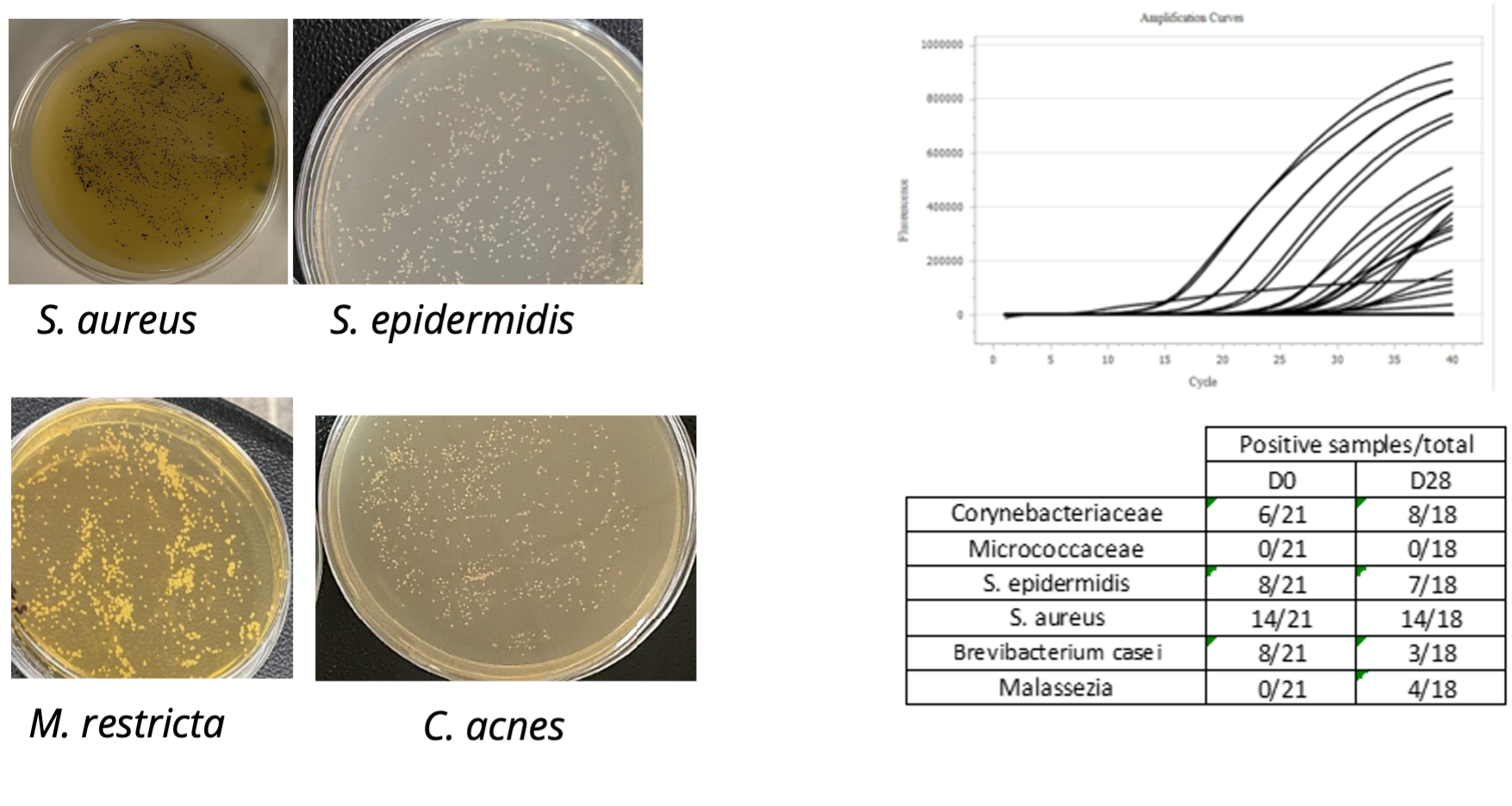
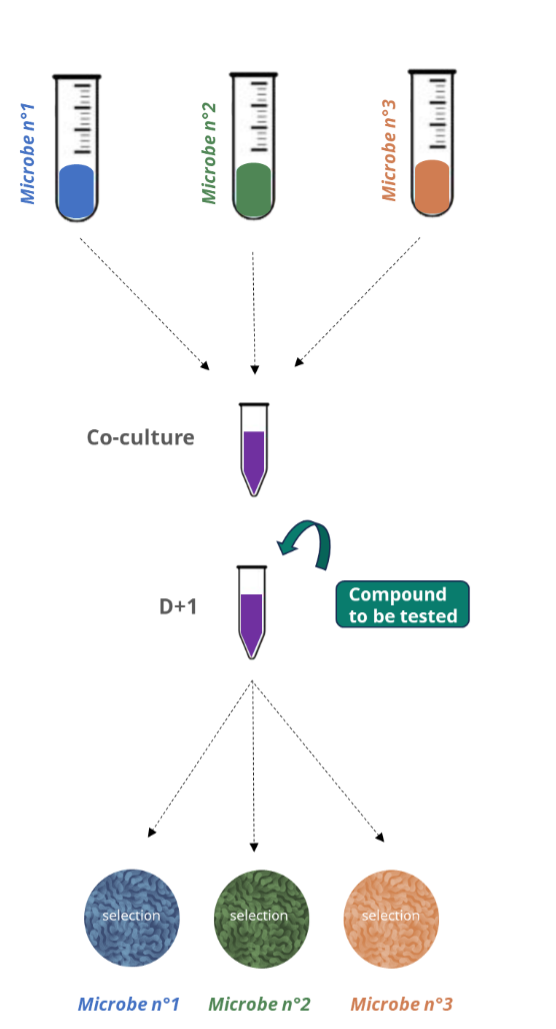
Vibiosphen has developed a scalp microbiome model (3 species) and a skin microbiome model (5 species) for screening compounds/therapeutics:
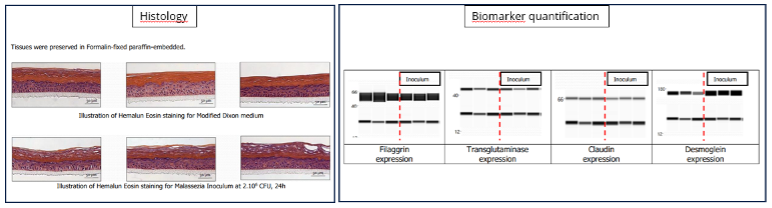
- Psoriasis-related barrier dysfunction stems from dysregulated keratinocyte activity, largely mediated by inflammatory cytokines such as IL-17 and IL-22 and altered expression of proteins, including loricrin and involucrin.
Vibiosphen has developed 3D models where human skin explants or reconstructed human epidermis (RHE) are colonized by the microbial species of interest.
- Recent advances in microbiome research have unveiled intricate relationships between gut microbiota alterations and inflammatory skin conditions.
Vibiosphen has developed a robust model of gut-skin axis that offers the possibility of evaluating the effect of manipulations targeting the microbiota (probiotics, prebiotics, postbiotics, faecal transplantation, antibiotics) or targeting the intestinal barrier.