
Rosacea
In vitro testing Microbiology powered
Rosacea is a chronic inflammatory facial skin condition defined by persistent redness, visible blood vessels, and inflammatory lesions. Affecting 2% to 10% of the global adult population, it is most frequently diagnosed in fair-skinned individuals. Its complex cause involves a combination of immune system overactivity, neurovascular dysfunction that results at least in part from the abnormal processing of cathelicidin LL-37, an antimicrobial peptide.
Rosacea management focuses on tailoring treatments to specific symptoms, using topical anti-inflammatories (ivermectin, metronidazole) for lesions and vasoconstrictors or lasers for facial redness. However, a major medical gap exists as current therapies only manage symptoms rather than providing a permanent cure.
- The skin microbiota is now scientifically evidenced to play a significant role in the pathogenesis of rosacea.
- Mites: The skin mite Demodex folliculorum is often linked to rosacea, and it harbors bacteria (like Bacillus oleronius) which may contribute to inflammation.
- Dysbiosis is implicated, with an increase in certain bacteria such as Staphylococcus epidermidis and Corynebacterium species and altered microbial diversity.
- The role of Cutibacterium acnes in the pathophysiology of rosacea is suspected.
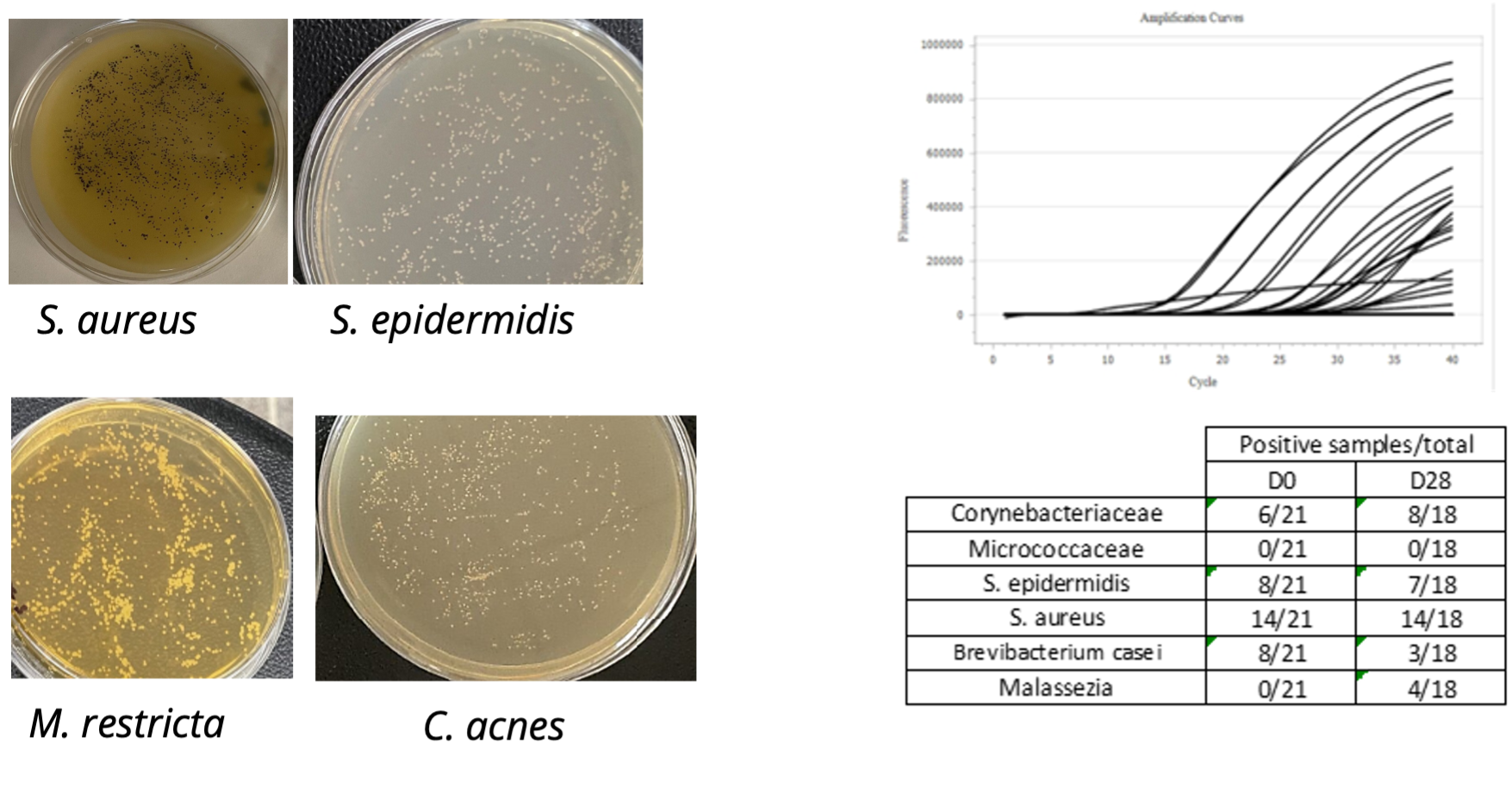
Vibiosphen can provide support for the microbiota characterization of clinical samples
Conventional microbiology or molecular approaches. Targeted or global approaches.
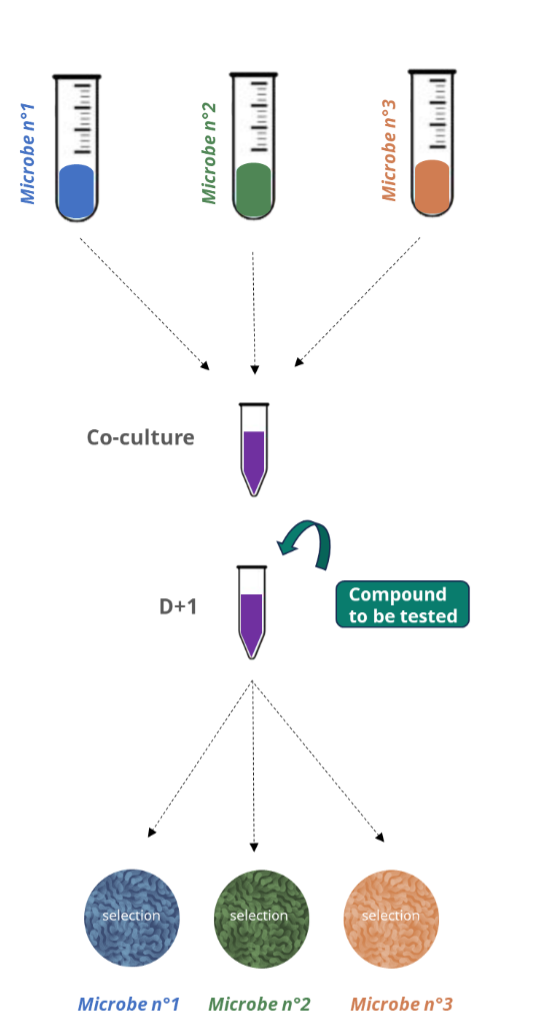
Vibiosphen has developed skin microbiome models (where 3 to 5 microbial species are co-cultivated) for screening compounds/therapeutics:
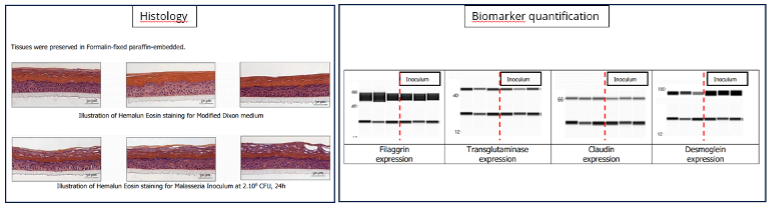
- Rosacea-related barrier dysfunction stems from significant structural abnormalities in the skin barrier, such as disrupted tight junctions, altered lipid structures, and abnormal keratinocytes proliferation and differentiation.
Vibiosphen has developed 3D models where human skin explants or reconstructed human epidermis (RHE) are colonized by the microbial species of interest.
- The exact mechanisms of how the gut microbiota is linked to the onset and development of rosacea have not been fully established. By analogy with other immune-based inflammatory diseases such as atopic dermatitis, psoriasis, or acne vulgaris and with evidence of the existence of the gut–skin axis, it is likely that the main mechanism participates in the inflammatory immune response.
Vibiosphen has developed a robust model of gut-skin axis that offers the possibility of evaluating the effect of manipulations targeting the microbiota (probiotics, prebiotics, postbiotics, faecal transplantation, antibiotics) or targeting the intestinal barrier.