
Blog
Find out more on articles related to dermocosmetics, nutraceuticals and health

In the ongoing struggle against infectious diseases, the demand for translationally relevant preclinical models has never been greater. The advent of humanized mouse models—engineered to carry functional human genes, tissues, or immune systems—has fundamentally transformed the way we investigate pathogen biology and host responses.
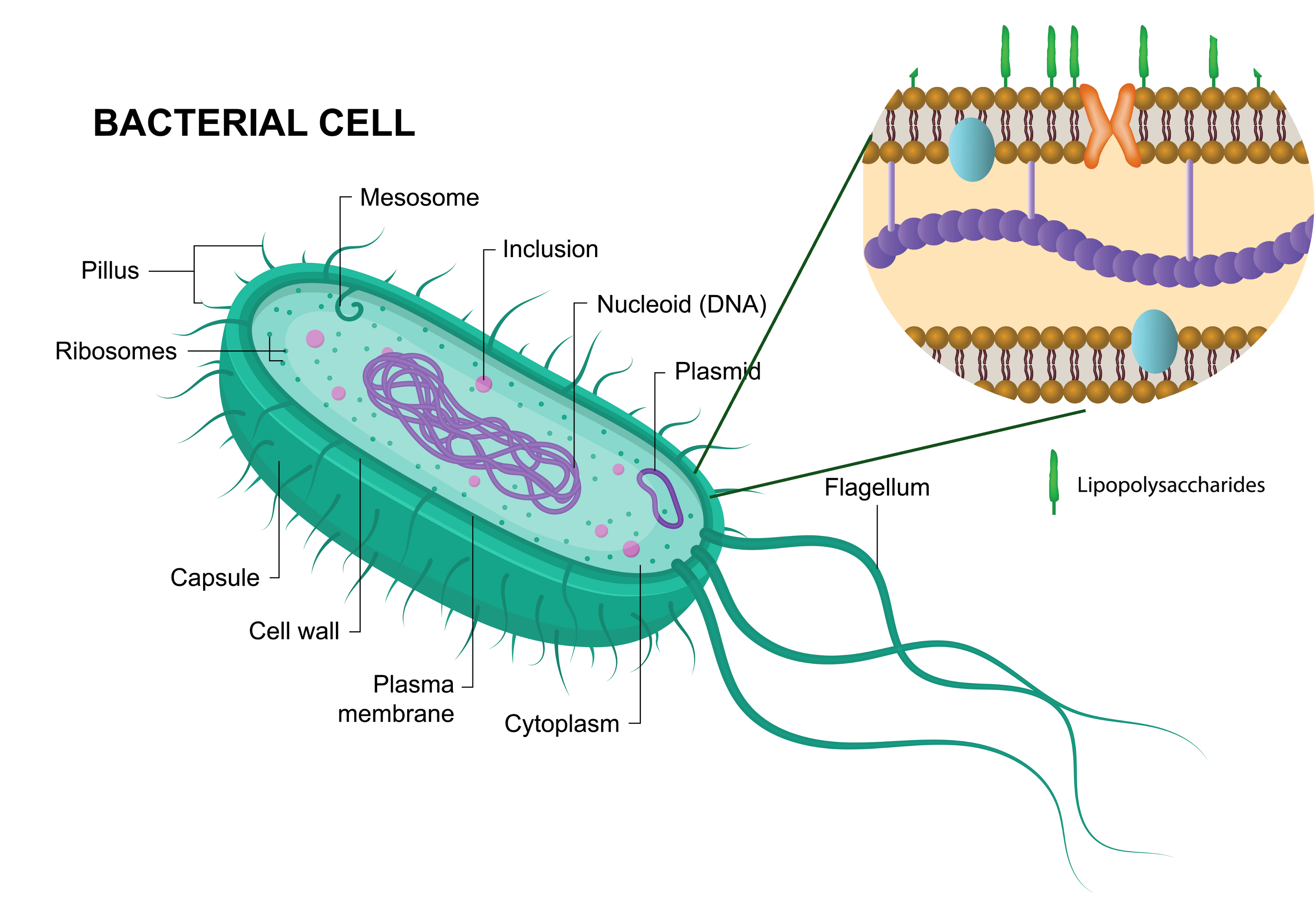
In the realm of animal models used for studying infectious diseases, the mouse has established itself as a methodological standard ........ yet, at the heart of these studies, a discreet but powerful molecule can undermine results: ....

Vibiosphen’s constant objective is to develop innovative and translational experimental models that would ultimately result in the decrease of the number of animals used for preclinical testings.

Organoids are miniaturized in vitro organ models that are derived from stem cells. They can be established from two sources of cells: adult stem cells (ASCs) or induced pluripotent stem cells (iPSCs). The organoids are formed by generating 3D aggregate through the cell culture.

A valid animal model of SARS-CoV-2 infection and its complications might shed light on the pathophysiology of the disease and can be used for assessing the efficacy and safety of novel antiviral compounds.
At Vibiosphen, we reproduced a mouse model of SARS-CoV-2 infection [1] and modified it to better define key post-infection immunological abnormalities. For this purpose, 7-week-old transgenic (K18-hACE2)2Prlmn male mice were intranasally challenged with a lethal dose (200 PFU/mouse) of SARS-CoV-2 (Wuhan strain).
Catégories
Archives
- novembre 2021 (1)
- décembre 2021 (2)
- janvier 2022 (3)
- février 2022 (2)
- avril 2022 (1)
- mai 2022 (3)
- juin 2022 (1)
- octobre 2022 (1)
- décembre 2022 (1)
- février 2023 (1)
- avril 2023 (2)
- mai 2023 (1)
- août 2023 (1)
- septembre 2023 (1)
- avril 2024 (2)
- mai 2024 (1)
- mars 2025 (1)
- mai 2025 (1)
- juin 2025 (3)
- juillet 2025 (1)
- octobre 2025 (1)
- janvier 2026 (2)
- février 2026 (2)
- mars 2026 (2)
- avril 2026 (1)
- juin 2026 (1)
- juillet 2026 (1)
- août 2026 (1)
- septembre 2026 (1)
- octobre 2026 (1)