Dermocosmetics / Nutraceuticals
Role of the microbiome in Atopic Dermatitis
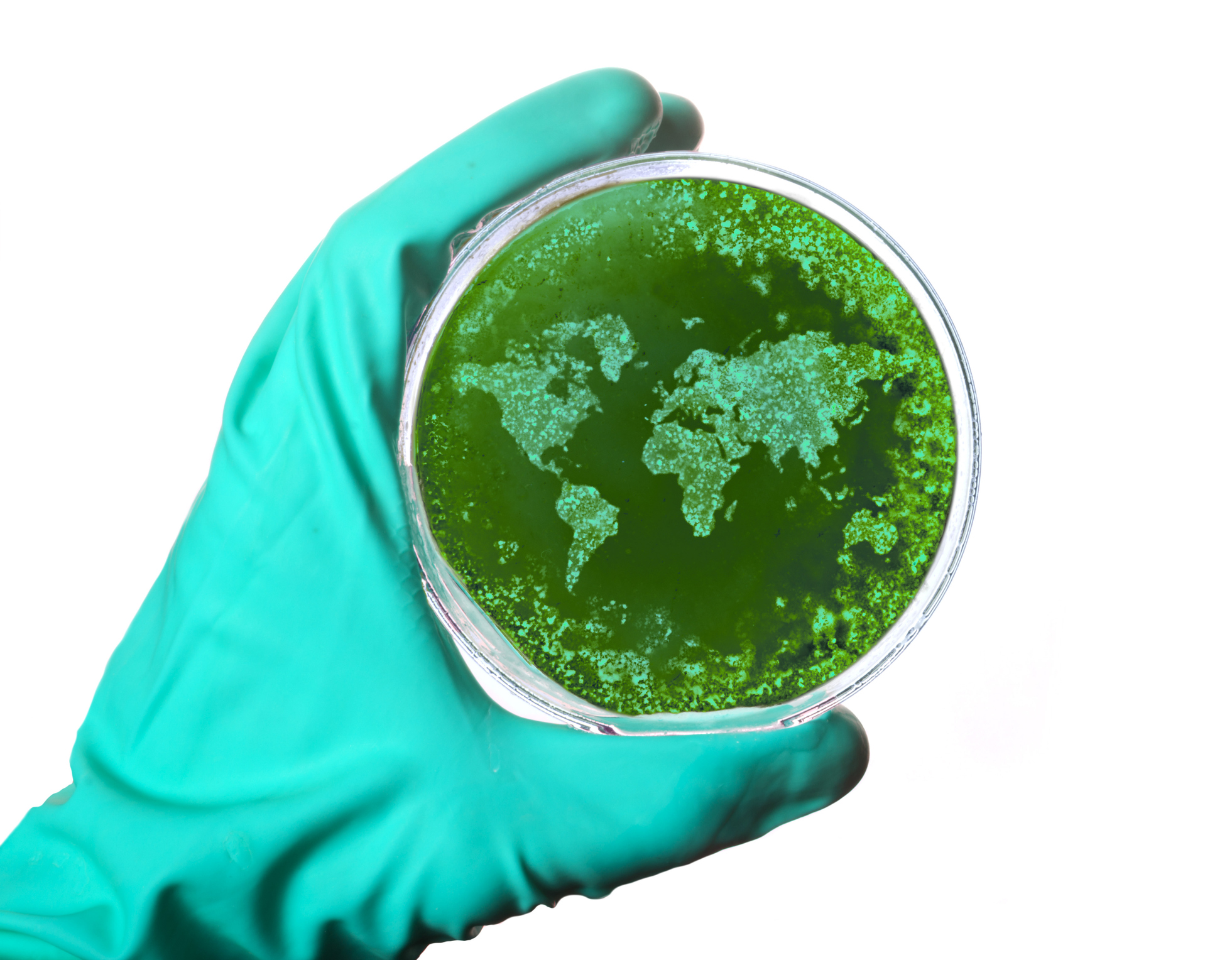
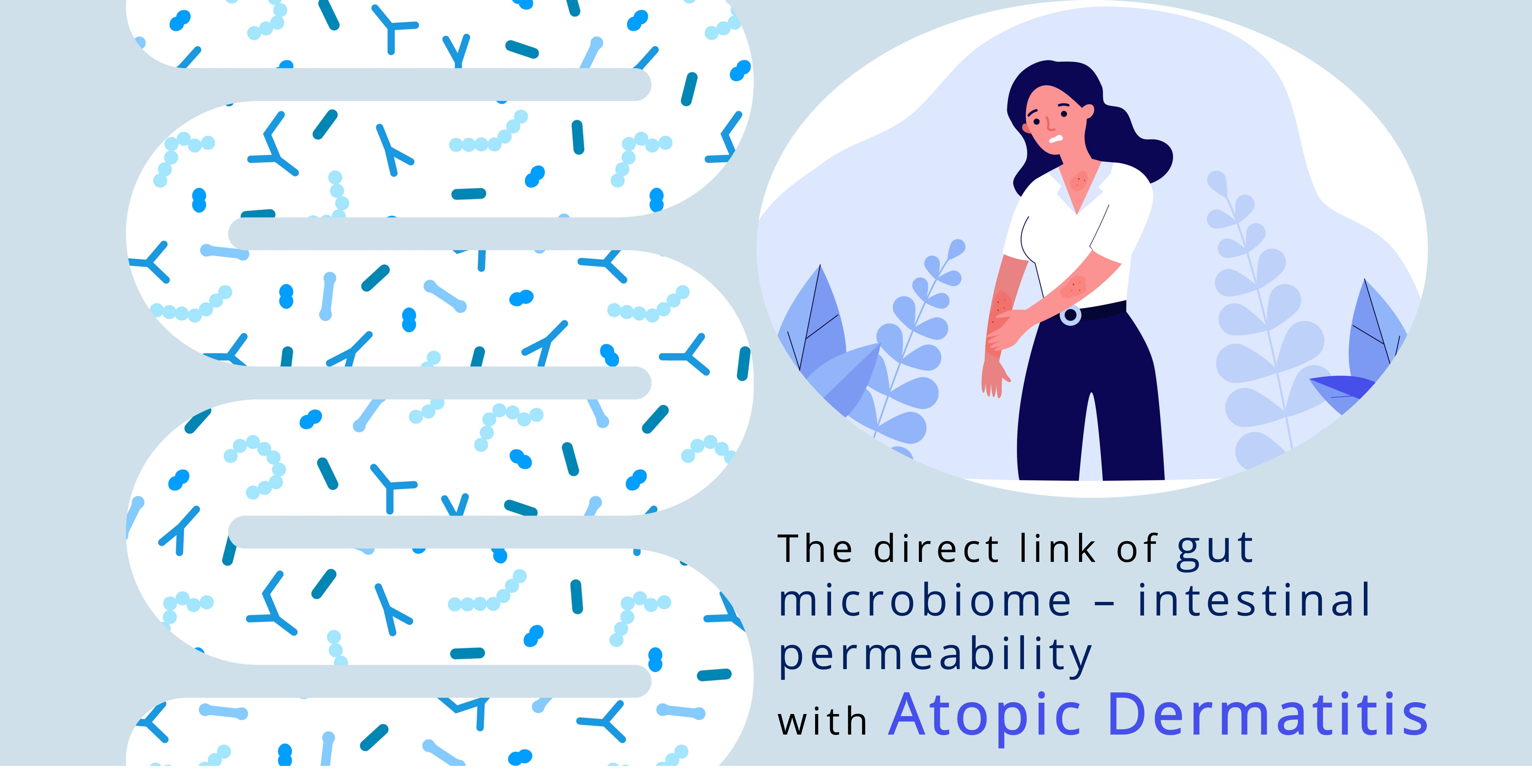
Atopic dermatitis is a chronic inflammatory skin disease characterized by intense itching and recurrent lesions. Nowadays, it’s considered one of the most common chronic diseases, affecting up to 20% of children and approximately 10% of adults. AD is now understood as a complex and multifactorial disease. It includes genetic abnormalities, alterations of the epidermal barrier, and an imbalance of the cutaneous microbiota. In this context, the study of the microbiome emerges as a central focus, as it's now clearly established that dysbiosis plays an important role in the pathogenesis of AD and its severity.
Read more

.png)





.png)













.jpeg)