Acne vulgaris
In vitro testing Microbiology powered
Acne vulgaris is a pervasive dermatological pathology characterized by the inflammation of sebaceous units within hair follicles. Onset of acne coincides with pubertal development and increased sebum production. Therefore, the prevalence is highest in adolescents. The pathogenesis of acne vulgaris is complex and multifactorial, and involves increased production of cutaneous sebum, hyperplasia of sebaceous glands under androgenic influence, ductal obstruction due to increased desquamation of keratinocytes, and infiltration of inflammatory cells.
- The skin microbiota is scientifically evidenced to play a significant role in the pathogenesis of acne, primarily through a state of imbalance (dysbiosis).
- Cutibacterium acnes (C. acnes): While a normal resident, dysbiosis involves an increase in the population density of specific virulent or pro-inflammatory strains of C. acnes within the sebaceous areas.
- An altered ratio of C. acnes to other species bacterial skin residents is often observed.
Vibiosphen can provide support for the microbiota characterization of clinical samples
Conventional microbiology or molecular approaches. Targeted or global approaches.
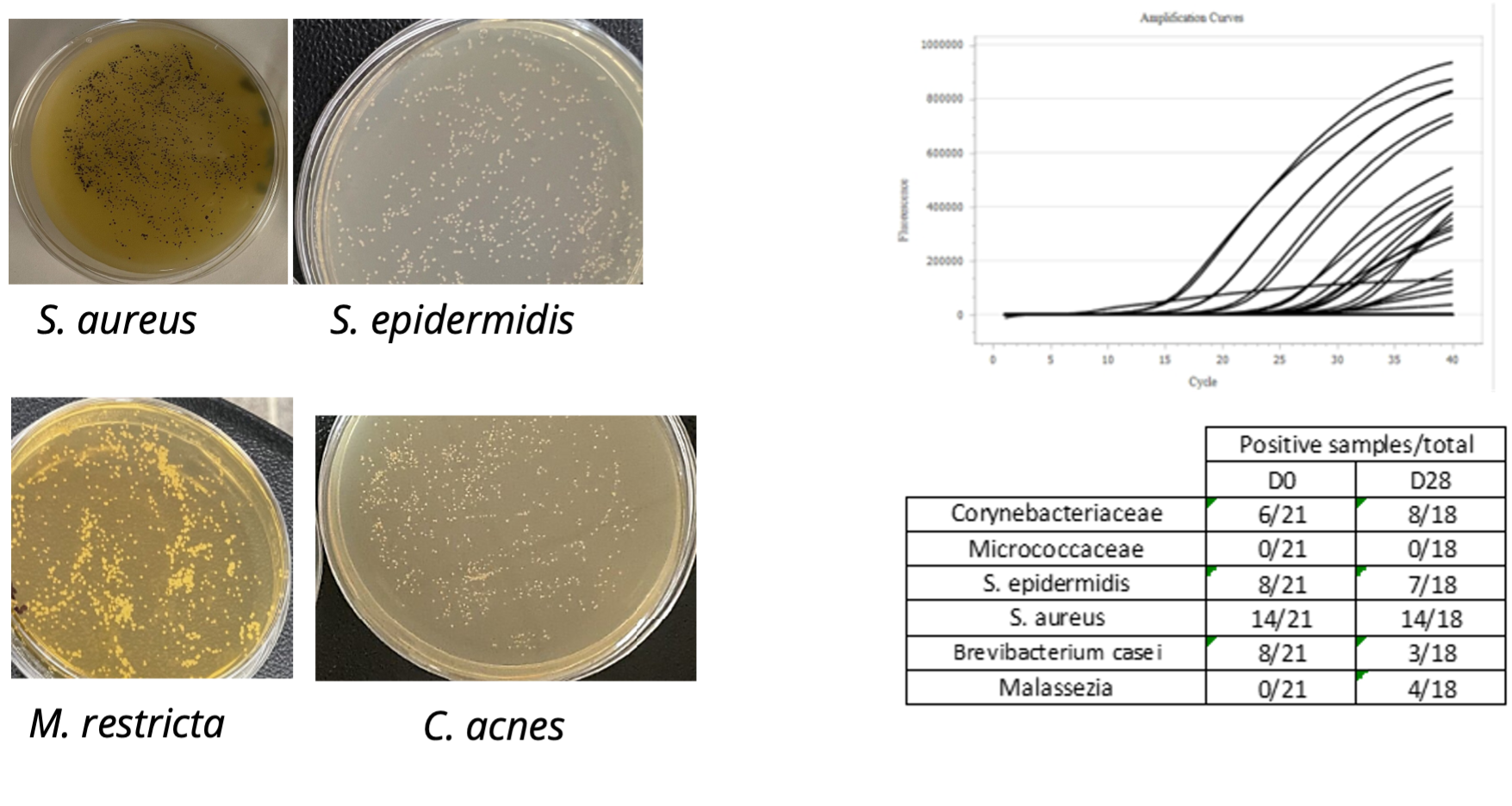
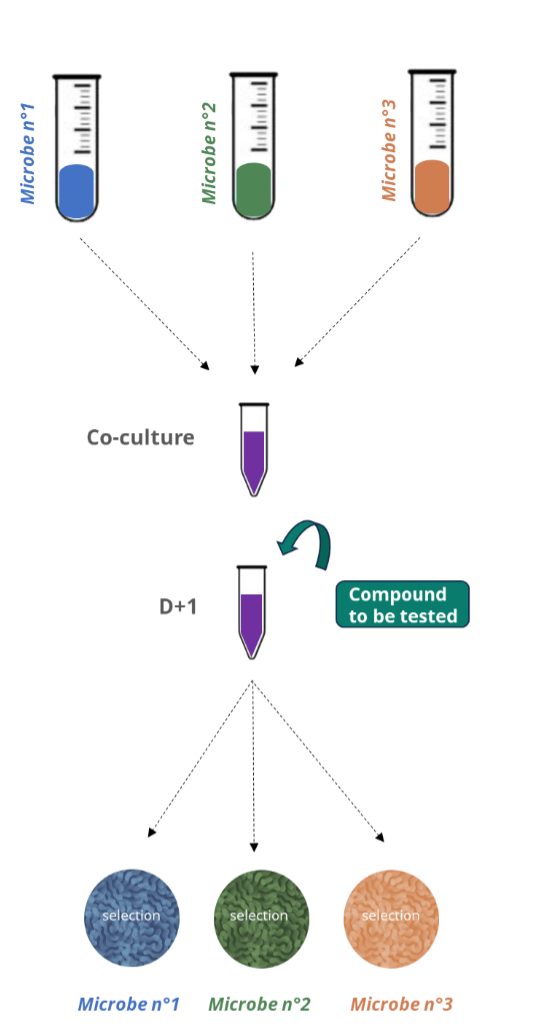
Vibiosphen has developed synthetic skin microbiome models (3-5 species) for screening compounds/therapeutics:
- C. acnes contributes to inflammation by recruiting immune cells and secreting enzymes (like lipase) that break down sebum, leading to the formation of comedones and inflammatory lesions.
Vibiosphen offers an in vitro lipase activity measurement using the 4-methyl umbelliferyl oleate (MUO) assay, that can be used to evaluate anti-acne molecules in development.