
Atopic Dermatitis
In vitro testing Microbiology powered
Atopic dermatitis is a chronic inflammatory disorder associated with a breakdown of the skin barrier and immune system dysregulation. The disease predominantly manifests in childhood, affecting 15-25% of children globally, with 7-10% of cases persisting into adulthood.
Topical therapeutics for atopic dermatitis management can be grouped into four categories based on their mechanisms of action: alleviating itchiness, suppressing immunity, attenuating inflammation, and inducing cell death.
- The skin microbiota is now scientifically evidenced to play a significant role in the pathogenesis of atopic dermatitis, primarily through a state of imbalance (dysbiosis)
- Increased Abundance: A hallmark of atopic dermatitis flares is the significant increase in colonization by Staphylococcus aureus, which can promote inflammation, trigger immune responses, and further damage the skin barrier.
- Decreased Diversity: There is often a reduction in overall microbial diversity, including a decrease in species like Cutibacterium and Streptococcus.
- Fungal Implication: In adults, sensitization to certain Malassezia species can be correlated with disease severity.
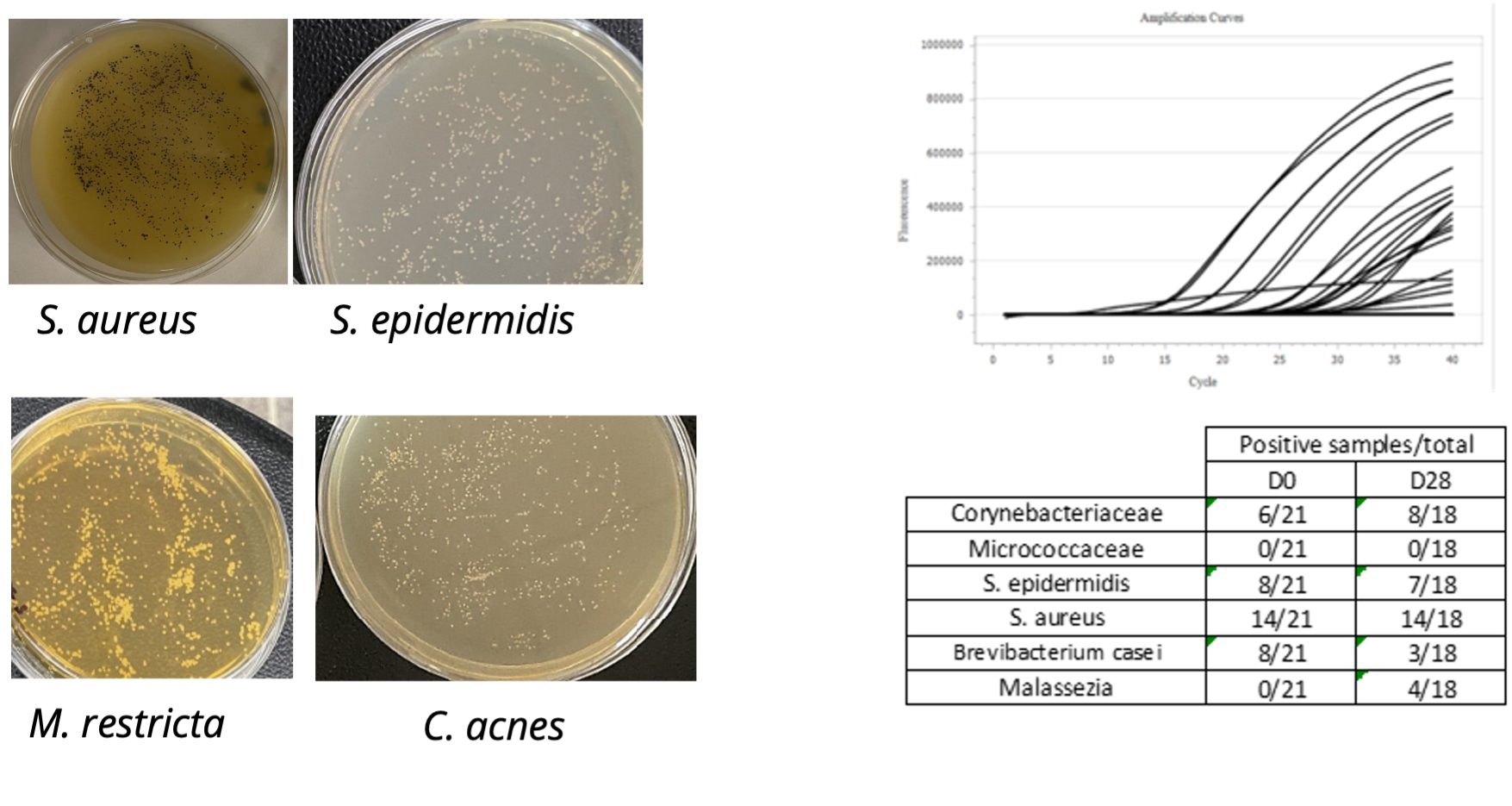
Vibiosphen can provide support for the microbiota characterization of clinical samples
Conventional microbiology or molecular approaches. Targeted or global approaches.
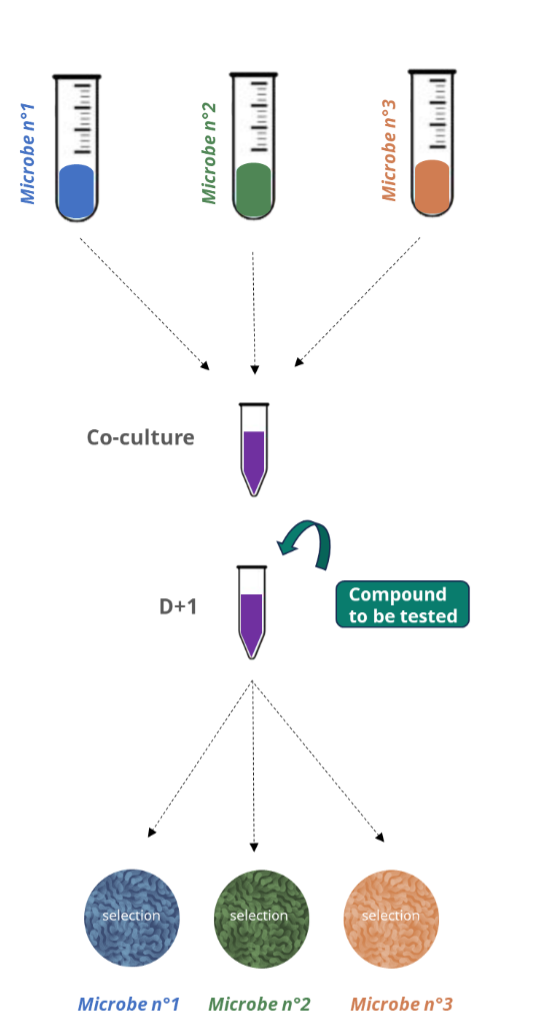
Vibiosphen has developed skin microbiome models (where 3 to 5 microbial species are co-cultivated) for screening compounds/therapeutics:
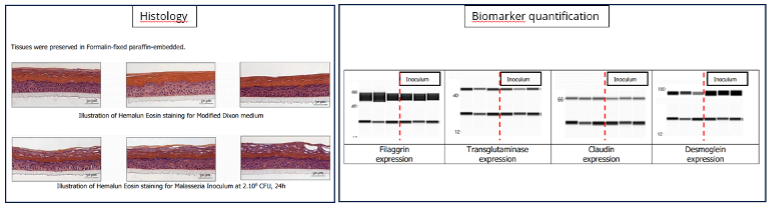
- In atopic dermatitis, barrier compromise is primarily attributed to genetic mutations, particularly in the filaggrin (FLG) gene, leading to increased transepidermal water loss (TEWL) and heightened susceptibility to environmental allergens and microbial colonization, notably by Staphylococcus aureus.
Vibiosphen has developed 3D models where human skin explants or reconstructed human epidermis (RHE) are colonized by the microbial species of interest.
- Recent advances in microbiome research have unveiled intricate relationships between gut microbiota alterations and inflammatory skin conditions. Atopic dermatitis demonstrate significant association with gut dysbiosis, that manifests as an increase in potentially pathogenic genera, particularly Klebsiella and Escherichia coli.
Vibiosphen has developed a robust model of gut-skin axis that offers the possibility of evaluating the effect of manipulations targeting the microbiota (probiotics, prebiotics, postbiotics, faecal transplantation, antibiotics) or targeting the intestinal barrier.