
Blog
Find out more on articles related to dermocosmetics, nutraceuticals and health
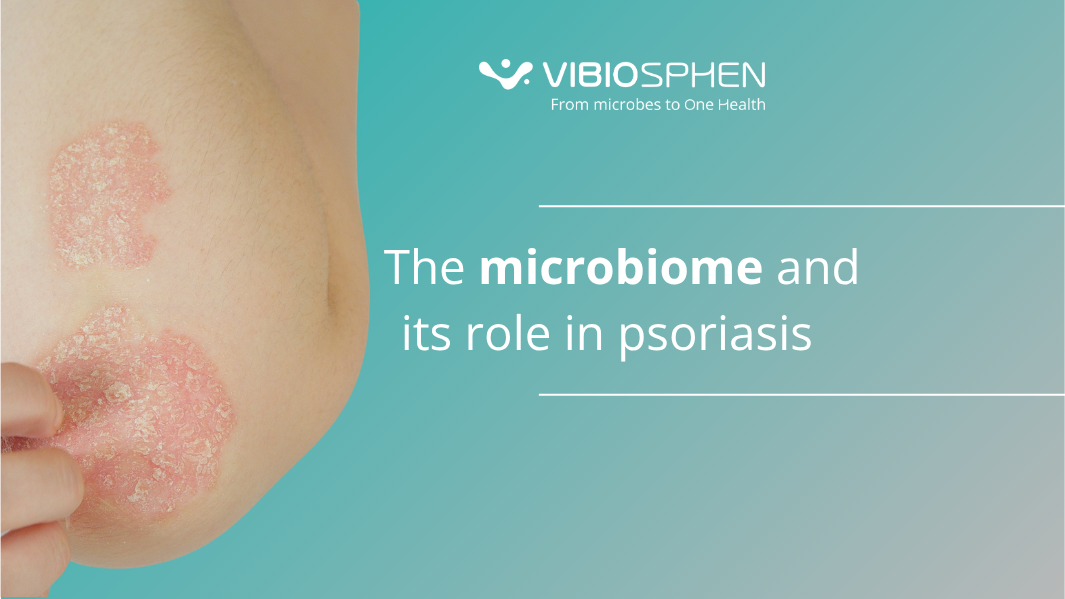
Psoriasis is not just a skin condition. It is estimated that nearly 125 million people worldwide have psoriasis. In recent years, the link between the microbiome and psoriasis has been increasingly recognised.
The human skin is home to a multitude of commensal microorganisms (bacteria, fungi, viruses, parasites) that make up the skin microbiome. This collection of microorganisms interacts with skin cells and immune system cells to maintain skin homeostasis. At the same time, the human skin and its microbiome are subject to external and environmental stressors, such as ultraviolet light (UV).
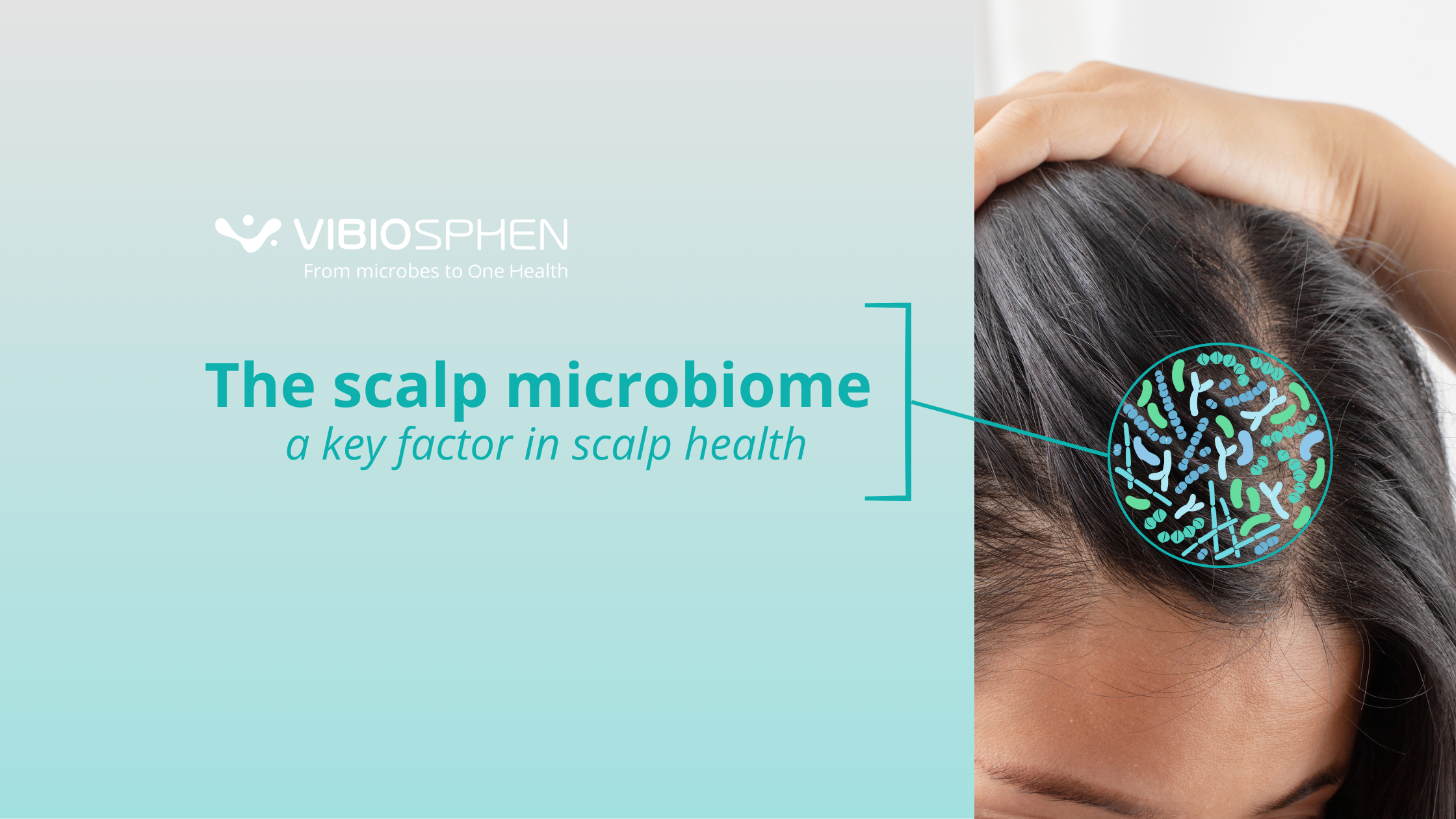
We often talk about the gut or skin microbiome but tend to overlook the one on our scalp. And yet, this unique ecosystem plays a crucial role in the health of our scalp: an imbalance can lead to complications.
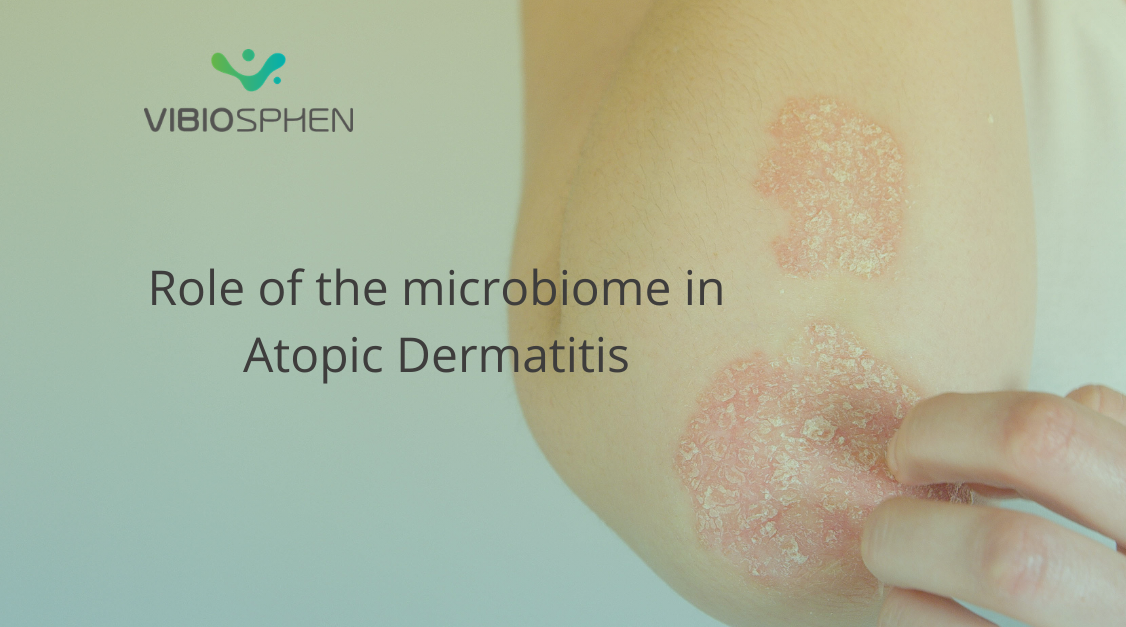
Atopic dermatitis is a chronic inflammatory skin disease characterized by intense itching and recurrent lesions. Nowadays, it’s considered one of the most common chronic diseases, affecting up to 20% of children and approximately 10% of adults. AD is now understood as a complex and multifactorial disease. It includes genetic abnormalities, alterations of the epidermal barrier, and an imbalance of the cutaneous microbiota. In this context, the study of the microbiome emerges as a central focus, as it's now clearly established that dysbiosis plays an important role in the pathogenesis of AD and its severity.
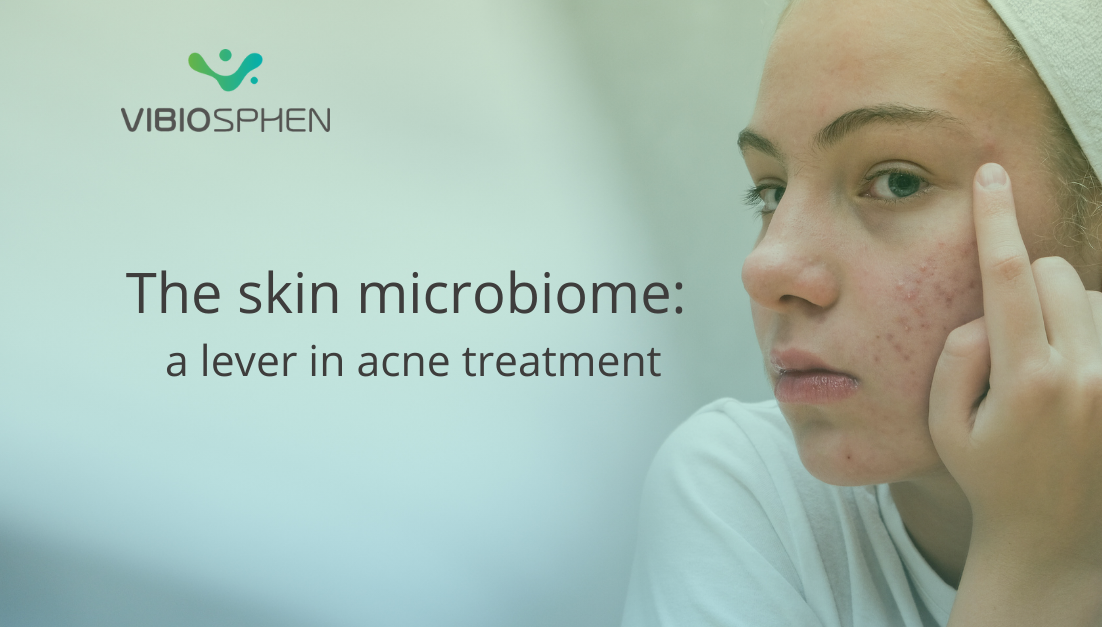
Vulgar acne is a common inflammatory skin disorder of the pilosebaceous unit. It’s characterized by seborrhea and abnormalities in follicular keratinization. Today, acne is recognized as a multifactorial condition, with a high prevalence among young adults. Among the various factors involved in acne, one actor is attracting increasing interest: skin microbiota.
Imagine a hidden community, nestled deep within the gut, made up of billions of microorganisms. This vast and invisible population—our microbiota—communicates in a language of chemical signals, metabolites, and subtle ecological balances. And prebiotics?

Recent advances in sequencing technology have demonstrated that the development of AD not only associates with the skin microbiome, but also with gut microbiota. In other words, unbalanced gut microbiome or intestinal permeability may lead to a loss of integrity of the skin barrier that might trigger predispositions to atopic dermatitis in this case.

Drugs have a significant impact on the gut microbiome, but the opposite is also true, gut microbiome has an impact on how the drug fulfills its mission. The onehealth paradigm is once again highlighted as a potential game-changer for treatment efficacy and toxicity elaboration.
Catégories
Archives
- novembre 2021 (1)
- décembre 2021 (2)
- janvier 2022 (3)
- février 2022 (2)
- avril 2022 (1)
- mai 2022 (3)
- juin 2022 (1)
- octobre 2022 (1)
- décembre 2022 (1)
- février 2023 (1)
- avril 2023 (2)
- mai 2023 (1)
- août 2023 (1)
- septembre 2023 (1)
- avril 2024 (2)
- mai 2024 (1)
- mars 2025 (1)
- mai 2025 (1)
- juin 2025 (3)
- juillet 2025 (1)
- octobre 2025 (1)
- janvier 2026 (2)
- février 2026 (2)
- mars 2026 (2)
- avril 2026 (1)
- juin 2026 (1)
- juillet 2026 (1)
- août 2026 (1)
- septembre 2026 (1)
- octobre 2026 (1)