
Assessment of the anti-biofilm activity
In vitro testing Microbiology powered
Background of in vitro-biofilm
- Biofilm is a three-dimensional community of bacteria with intricate architecture that lives on surfaces and is encapsulated in a network of hydrated polysaccharides, proteins and DNA
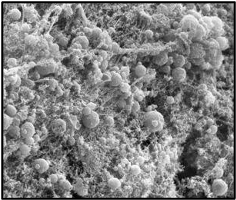
- The skin microbiome exists predominantly in structured microbial communities, where biofilm formation represents a natural and highly adaptive state of skin-associated microorganisms
- Cutaneous biofilms are increasingly associated with a wide range of chronic and recurrent dermatological conditions, including acne, atopic dermatitis, dandruff, seborrheic dermatitis, and impaired wound healing
- Microbial biofilms on the skin significantly reduce the efficacy of antimicrobial, preservative, and cosmetic active ingredients by limiting compound penetration and enhancing microbial tolerance mechanisms
- Considerable efforts are now focused on the development of innovative anti-biofilm dermocosmetic ingredients and formulations capable of disrupting biofilm architecture while preserving skin microbiota balance
Objectives of the model
To determine the anti-biofilm activity of a molecule using an in vitro model of biofilm formed by Staphylococcus aureus
Our approach at Vibiosphen
- Microplate wells were seeded by S. aureus for 24h or 48h to allow biofilm formation
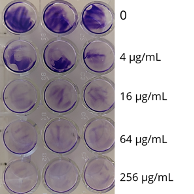
- A range of concentrations of the molecule was applied on the biofilm, in triplicate for 24h
- The biofilm density was quantified with crystal violet staining
Outcomes of in vitro-biofilm
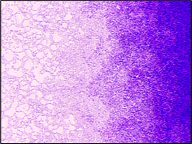
Saureus biofilm formed on an abiotic surface and stained with crystal violet

Quantification of S. aureus biofilm subsequently to a 24h treatment with increasing amounts of the molecule
These results support the molecule as a novel ingredient candidate and an effective solution strategy for Staphylococcus aureus biofilm.