.png)
In France, breast cancer is the most common and also the deadliest form of cancer among women. That is why, every year, the month of October reminds us of the importance of prevention and screening, which play a vital role in the fight against this disease.
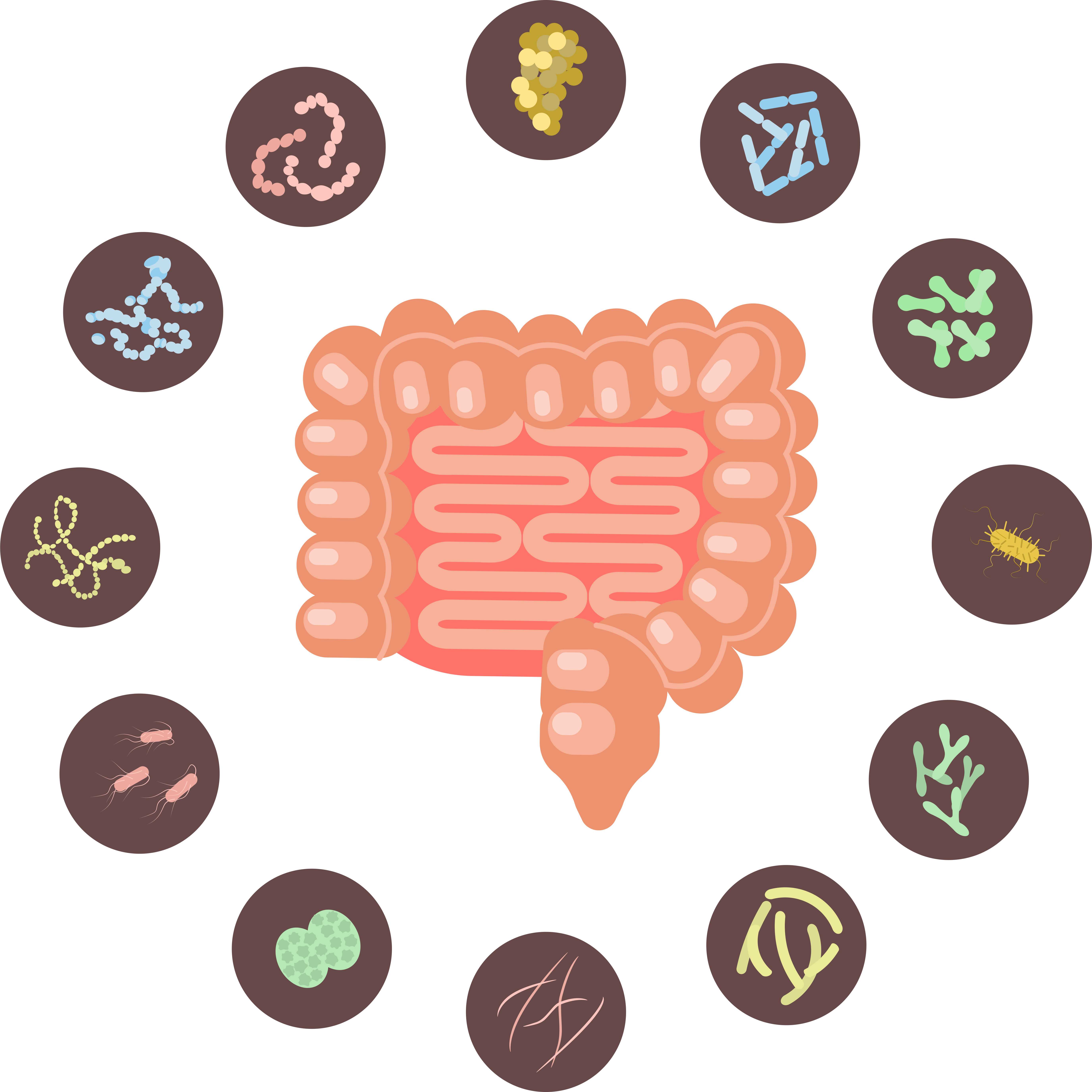
Alongside these prevention efforts, research is also exploring new avenues to better understand the mechanisms involved in the development of breast cancer. Among these avenues is the microbiome, which is attracting growing interest.
It is now well established in the scientific literature that the microbiome plays a role in the development of a wide range of diseases. It is therefore not surprising to wonder whether it might influence the risk of breast cancer and the response to certain treatments.
Indeed, numerous studies have shown a reduction in gut microbiota diversity in breast cancer patients compared to control subjects. Furthermore, the gut microbiota also plays a role in the metabolism of estrogens, hormones closely linked to the development of breast cancer.
But what about the response to treatment?
Well, here too, it has been shown that the diversity of the gut microbiota influences the effectiveness of several anticancer agents.
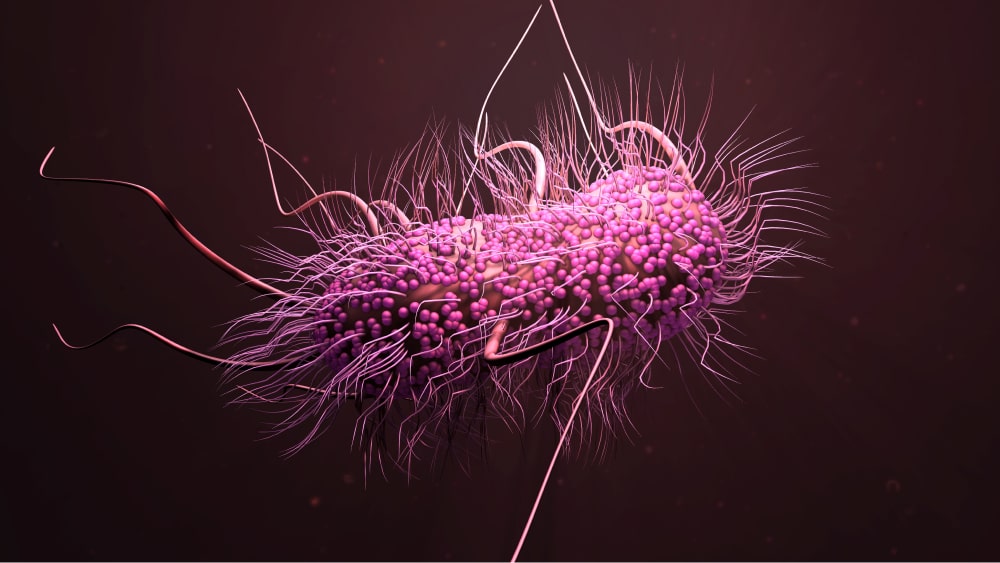
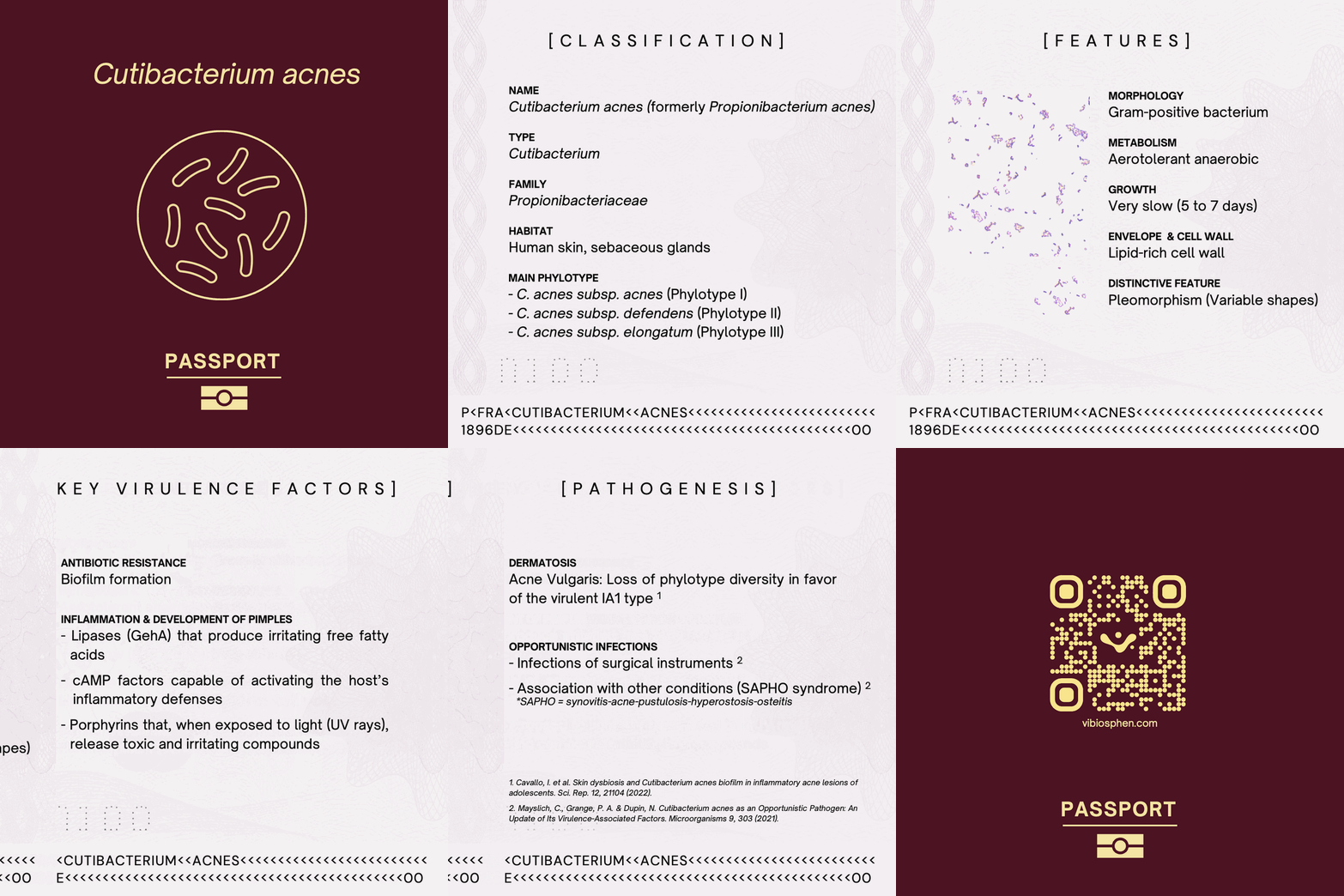
For example, the use of certain antibiotics can alter the effectiveness of some treatments by disrupting the gut flora. Furthermore, certain bacteria, such as Staphylococcus aureus, produce superantigens that can amplify inflammation and worsen dermatitis induced by certain treatments, such as radiation therapy.
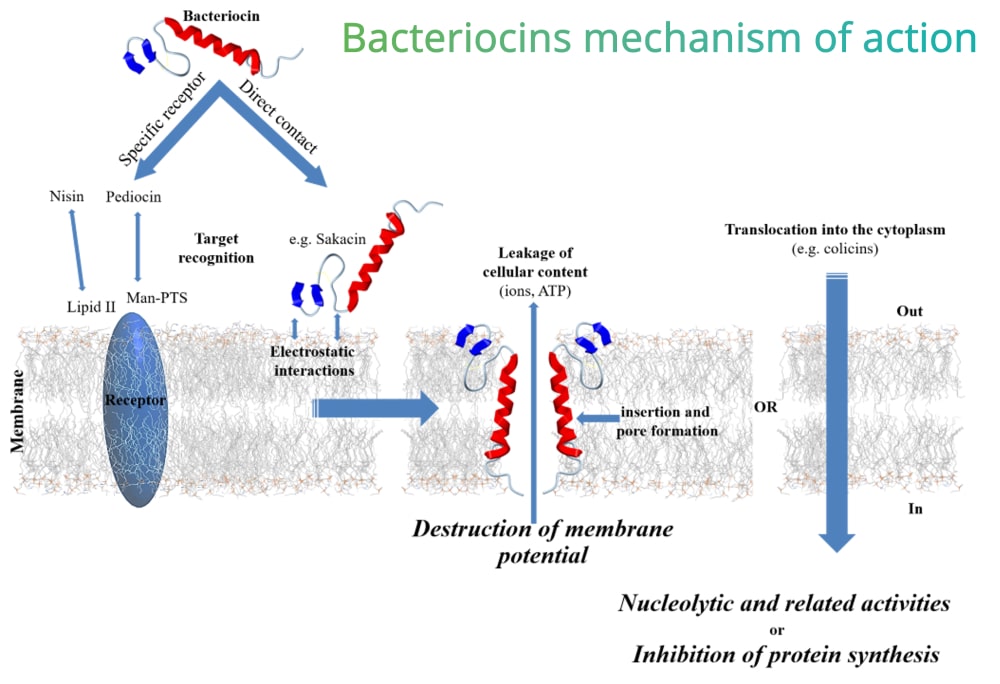
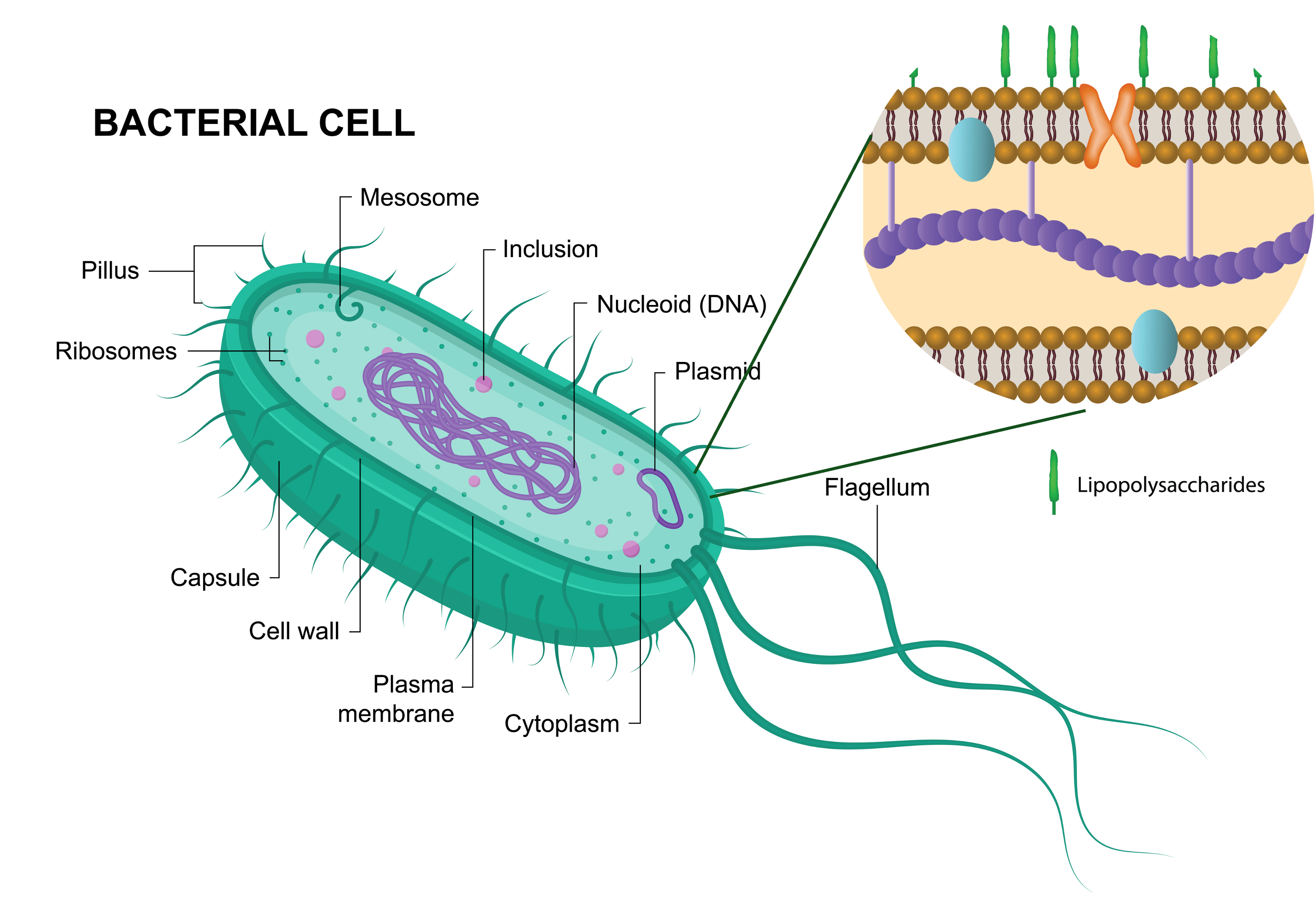
Beyond current treatments, researchers are also exploring innovative approaches such as intratumoral bacterial immunotherapy. This strategy involves injecting specific attenuated bacteria directly into tumor sites to target hypoxic tumor areas, induce cell lysis, and stimulate a localized immune response.
So what are the prospects moving forward?
These findings indeed open up various avenues for research. Clinical trials are currently evaluating the potential of modulating the microbiota to stimulate the immune response against tumor cells, as well as the use of the microbiome as a biomarker.
Thus, the microbiome represents a rather interesting area of research, though it still requires numerous studies before broad clinical applications can be considered.
However, let’s not forget to continue with prevention and screening 🩷🎀
Sources :
- Chen, J. et al. The microbiome and breast cancer: a review. Breast Cancer Res. Treat. 178, 493–496 (2019).
- Baumrucker, C. C., Harris, N., Hoover, S. & Czerniecki, B. J. Intratumoral Immunotherapy in Breast Cancer. Vaccines 13, 429 (2025).
- Cancer, I. N. D. Cancer du sein. https://www.cancer.fr/professionnels-de-sante/statistiques et-chiffres-sur-les-cancers/epidemiologie-des-cancers/cancer-du-sein (2026).





.png)











.jpeg)