
Quantification of intracellular bacteria
In vitro/ex vivo testing Antibacterial and antifungal
Background of the quantification of intracellular bacteria
- Quantification of intracellular bacteria is fundamental in many areas of cellular and clinical microbiology to study acute and chronic infections.
- Rapid, accurate and low-cost methods represent valuable tools in determining bacterial ability to persist and proliferate within eukaryotic cells.
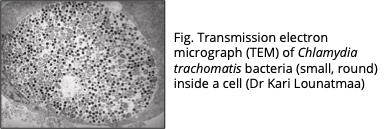
- Chlamydia species are obligate intracellular bacteria that require growth inside a mammalian host cell for propagation and survival.
Objectives of the model
To develop a rapid and accurate real time PCR method for the detection of intracellular Chlamydia trachomatis.
Our approach at Vibiosphen
- McCoy cell monolayers were infected by C. trachomatis strain LGV2 (3 infectious doses).
- Infected cells were harvested and lysed by heating or repeated freezing/thawing cycles to release intracellular bacteria.
- Intracellular bacteria were quantified by qPCR.
Outcomes of the quantification of intracellular bacteria
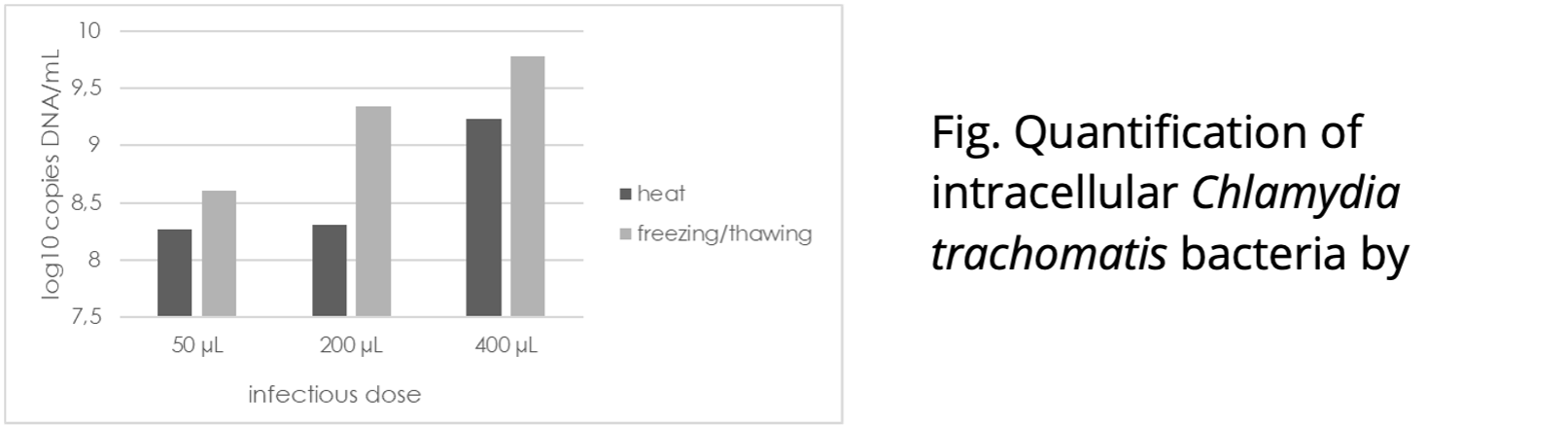
- A dose-response relationship was detected for both lysis methods.
- Freezing/thawing cycles appeared to be the most efficient method to release intracellular bacteria.
- This approach can be applied for the quantification of bacterial internalization by host cells in a gentamycin protection assay (Neisseria, Salmonella, Listeria…).
- This approach could also be optimized for in vivo studies.